WHAT IS STEAM?
HOME / CURRICULUM / STEAM / WHAT IS STEAM?
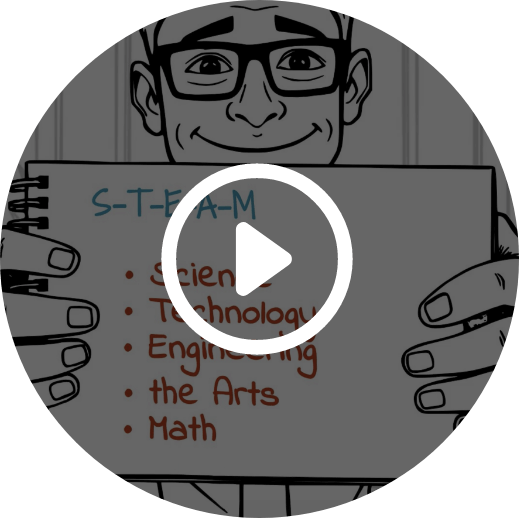
STEAM is an integrated approach to learning that focuses on five key access points: Science, Tech, Engineering, the Arts, and Math.
We combine aspects from STEAM to teach courses like coding, graphic design, visual arts, robotics, mechanical engineering, speech and debate, business administration and more. We believe these skills will launch your child into a bright future.
STEAM education is a vital part of every child’s education as they navigate the world and venture to fine-tune their interests and talents.
Objectives of STEAM
- Afford deeper learning experience;
- Build critical thinking skills and help students develop creativity;
- Enhance student communication and collaboration skills.



THE BENEFITS OF
STEAM Education

STEAM education offers numerous benefits for children of all grade levels, including promoting skills such as the following:

Critical Thinking
STEM and STEAM education encourages children to think outside the box, ask questions, and explore new ideas and solutions to develop critical thinking skills.

Problem Solving
STEAM education teaches children to break down complex problems and find solutions through experimentation, trial and error, and collaboration.

Social Emotional Skills
Children engage in teamwork and communication, developing social-emotional skills as they learn to collaborate and to appreciate diverse perspectives.

Creativity
By incorporating the arts into STEAM subjects, children are encouraged to think creatively and find unique solutions to problems.
Achievement Heights Academy
STEAM
STEAM is 21st Century learning because students use experiential learning, they persist in problem-solving and students combine 21st century skills: communication, collaboration, critical thinking and creativity.
STEAM is a dynamic approach to deeper learning experiences.
Example of an Assignment
Science, Engineering and Art
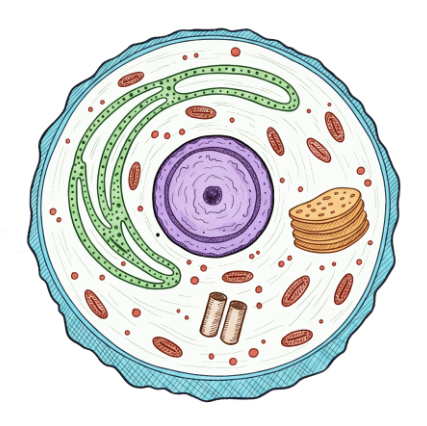
- A student has just completed a unit on the Cell.
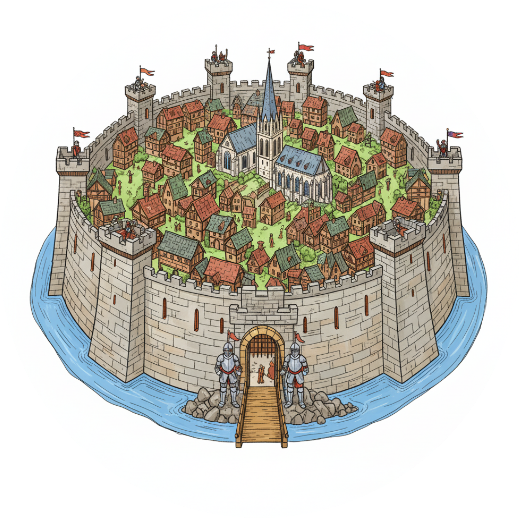
QUESTION: How is the cell similar to a well protected city?
The students begins by sketching a cell with all its organelles.
Next, he aligns the functions of the cell’s organelles with factors of a protected city.
Students may COLLABORATE and use a mind map where they COMPARE and CONTRAST ideas about a cell in a well protect city.
Students will need to ORGANIZE their information so they can effectively share it. They also need to COMMUNICATE and collaborate with their team.
Finally, the team presents their findings in class using concepts from Science, Engineering and Art.